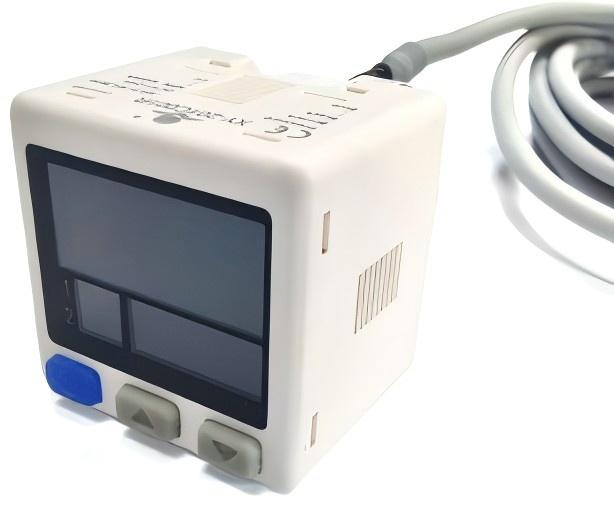
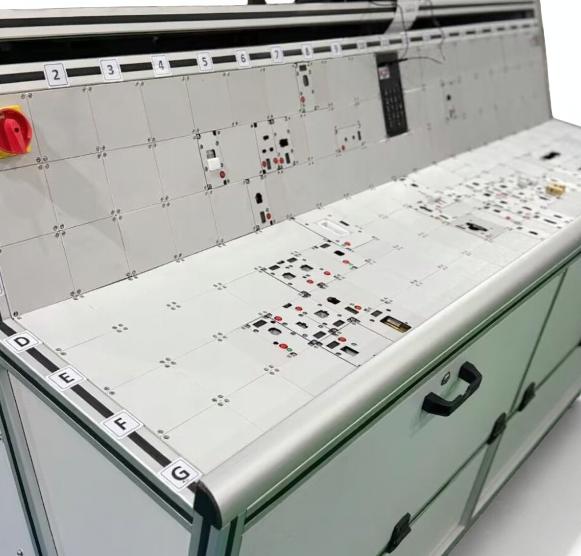
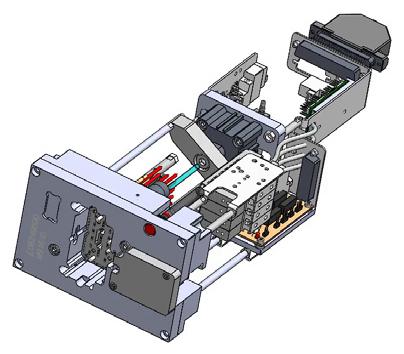
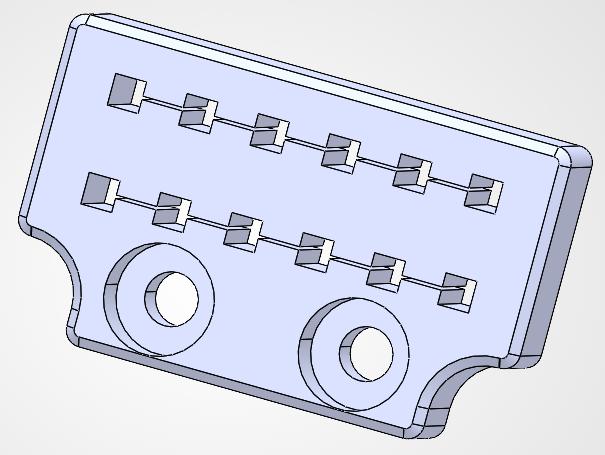
A continuity tester is a device used to detect the connectivity of electrical circuits. Simply put, when you suspect that a circuit on a circuit board may be damaged or disconnected, a continuity tester can be used to check it. The tester applies a small voltage across two points of the circuit and then detects whether current flows through the circuit. If the circuit is intact, the tester will emit a sound or display a reading, indicating that the circuit is functioning normally. If the circuit is broken, the tester will not respond. The working principle of a continuity tester is relatively simple and reliable.
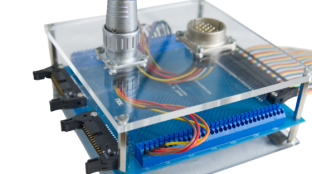
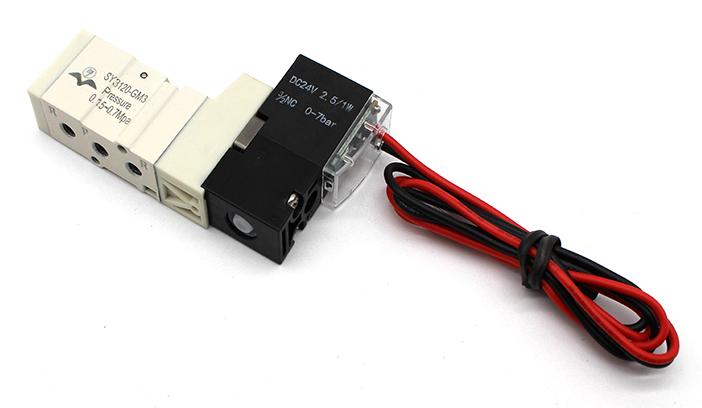
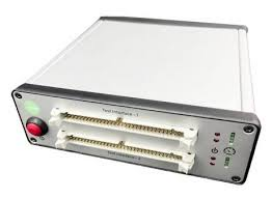
The control port module expands the functionality of the NX tester, enabling it to control external equipment. For example, the module can activate locking mechanisms to prevent the wire harness from being removed prematurely, activate stamping devices to mark the harness as tested, or trigger electro-pneumatic valves to perform vacuum or leakage testing.
The control port module manages two outputs and monitors one input. The control port can be automatically activated at specific points in the workflow, such as after all tests have passed, or when the supervisor safety key is inserted. The input port is most commonly used in automated testing scenarios, allowing the operator to respond to external signals.
Reasons Why Wire Harness Manufacturers Perform Continuity Testing
Wire harness manufacturers conduct continuity testing to ensure product quality, prevent failures, meet standards and regulations, improve production efficiency, and ensure safety. It is a critical quality control step in the wire harness manufacturing industry.
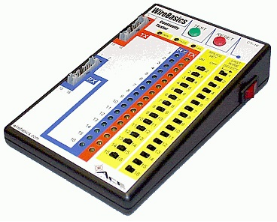
The main reasons include:
1. Quality assurance
Wire harnesses are essential components in electrical systems, responsible for transmitting electrical signals and power. Continuity testing ensures that the connections between wires or conductors within the harness are correct, guaranteeing the quality and reliability of the harness.
2. Failure prevention
Poor connections, short circuits, or open circuits in wire harnesses may cause electrical system failures or equipment damage. Continuity testing helps detect and correct these problems in advance, preventing potential failures.
3. Compliance with standards and regulations
In many industries, such as automotive, aerospace, and electronics manufacturing, there are strict standards and regulations requiring wire harnesses to pass continuity testing. Performing continuity testing ensures that products comply with these requirements.
4. Improved efficiency
Continuity testing allows manufacturers to quickly and accurately check the electrical connections of wire harnesses, eliminating the need for manual inspection and significantly improving production efficiency.
5. Safety assurance
Faults in wire harnesses may lead to short circuits, overloads, or other safety risks in electrical systems. Continuity testing helps ensure the safety of the harness and reduces potential hazards.
Next:Research on Wire Harness Assembly Process Optimization in the Automotive Industry