Cable tie guns (also known as harness tie guns or automatic cable tie trimming tools) are mainly used to quickly gather, tension, lock and trim loose wires, branches, hoses and clip fixing points. Their core function is not simply bundling, but to deliver consistent tension, flush cut tails, avoid insulation damage and maintain stable cycle time.
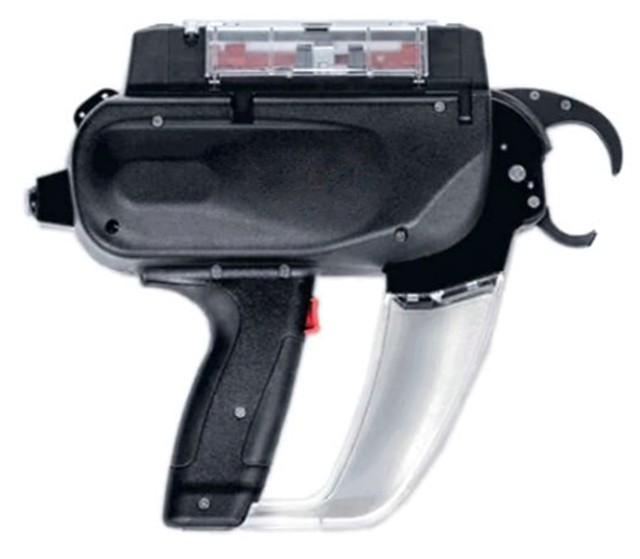
1. Wiring harness processing stations: Bundling main harnesses and branches
After automotive, home appliance and electronic wiring harnesses are routed on fixture boards and clip boards per drawings, cable tie guns bundle main cables and branches into neat harnesses.
Replacing manual threading plus side-cutter trimming, one trigger pull completes feeding, tensioning and cutting. The residual tail can be controlled within approx. 1 mm to minimize burrs.
Ideal for stations with numerous tie points and repetitive operations, reducing wrist and finger strain for operators.
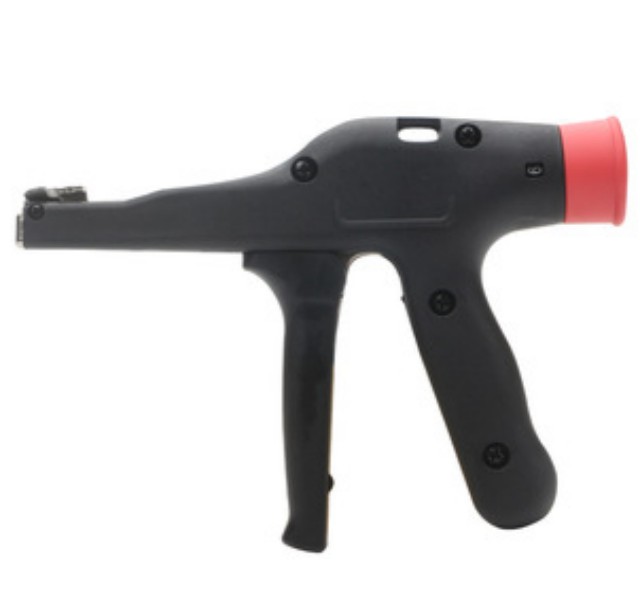
2. Clip and fastener mounting points
Wiring harnesses are often fitted with mounting clips and locating fasteners; cable ties need to secure the harness right at the base of the clip.
Cable tie guns allow preset maximum tension: they hold the harness firmly without inducing stress whitening or brittle cracking at the clip root.
This is the biggest advantage of automatic cable tie guns and hardest to achieve manually.
3. Irregular and large-size harness assemblies
Door harnesses, instrument panel harnesses, chassis harnesses and construction machinery harnesses feature many branches, curved routing and irregular cross-sections, out of reach for stationary cable tie machines.
Pneumatic or electric handheld cable tie guns allow flexible tying at any target position, without moving bulky harnesses to fixed workstations.
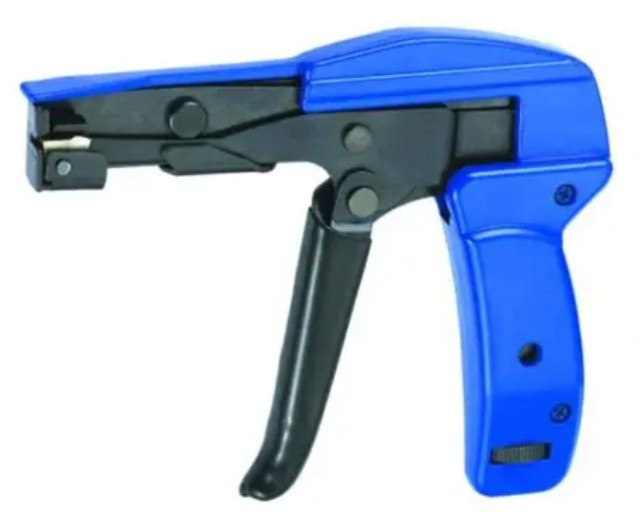
4. New energy and high-voltage harnesses
Battery pack cables, high-voltage cables, charging pile harnesses and energy storage cabinet harnesses have large wire diameters and thick jackets, requiring high tension without damaging insulation.
Equipped with heavy-duty nozzles for tie widths of 4.6–13 mm and tension ratings from 50 N to 300 N. Servo or pneumatic tension adjustment balances secure fastening and insulation protection.
5. Final assembly and cabinet internal wiring (post-process application)
During final assembly of control cabinets, distribution boxes, switches, industrial controls and home appliances, cables are tied while they are routed.
Extended slim nozzles are available for tight confined spaces, preventing adjacent cables from being nicked by manual cutters.
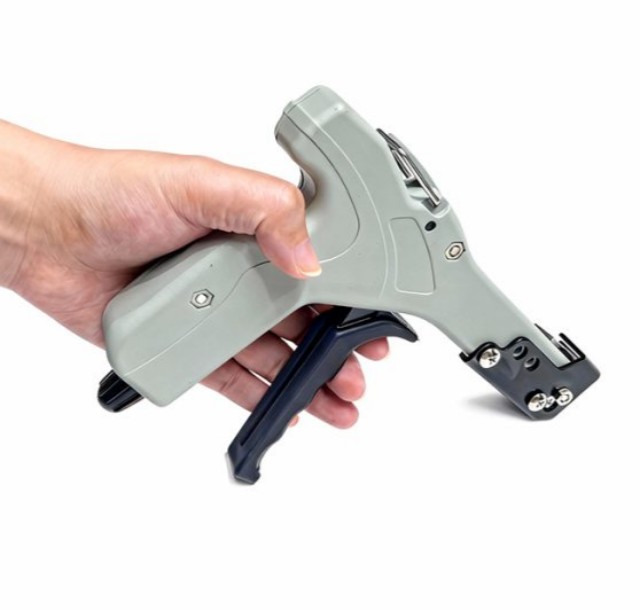
6. Integration with automated production lines
For high-volume regular tie points: stationary or in-line cable tie machines are integrated between crimping, testing and tying stations, with MES support to record and trace tension values.
For complex tie points: in-line machines work alongside handheld guns, with handheld units handling branches and irregular locations.
Next:No more