Automotive connector terminals are small conductive components used in a vehicle’s electrical system to connect wires and electronic devices. They generally consist of metal contacts for electrical conduction and insulating sleeves/housings for insulation and protection.
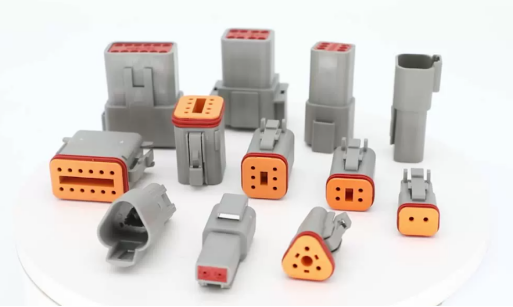
They realize electrical connection and transmit power and signals. They also protect wires and equipment from environmental impacts such as vibration, moisture and dust. As core parts of automotive wire harnesses, they ensure the normal operation of all parts of the vehicle electrical system.
They are usually made of copper or copper alloy with high conductivity. The surface is often tin-plated, gold-plated or silver-plated to improve corrosion resistance and electrical conductivity. Structurally, a terminal consists of a crimping section, transition section, locking section and mating section.
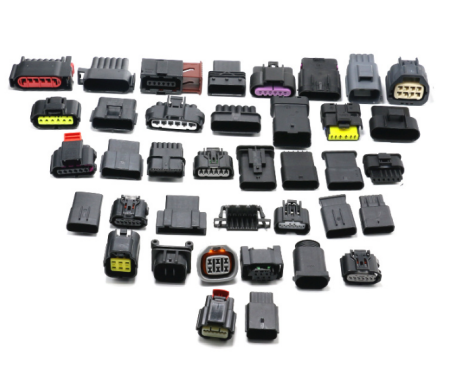
Widely used in power windows, central locking systems, vehicle lamps, car audio, airbags, engine control units and other automotive electronic components.
Automotive connector terminals can be simply understood as micro conductive bridges inside a vehicle’s electrical system. They are the core metal parts installed inside automotive connector plugs and sockets. One end crimps the wire, and the other end makes tight contact with the mating terminal, stably transmitting electric current and control signals between various automotive electronic devices. Without them, the vehicle cannot supply power or realize electronic communication.
Conduct current and signals
Deliver power from the battery to vehicle lamps and starters, and accurately transmit signals from radars, sensors and other devices to the vehicle control unit.
Anti-interference and protection
Besides excellent conductivity, they must withstand severe vibration, high temperature, humidity and oil contamination during vehicle operation, preventing loose connection or oxidation that may cause equipment failure.
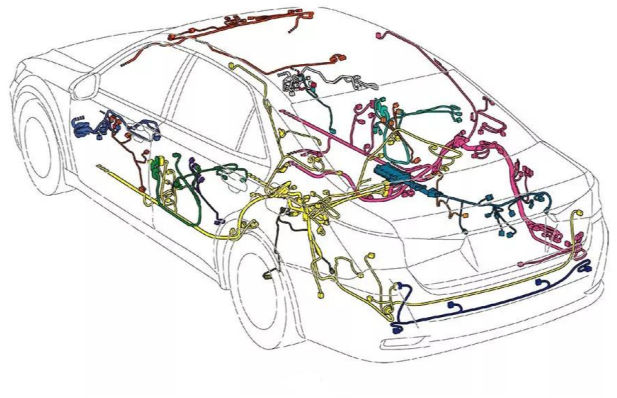
· Inner conductor: Made of high-conductivity copper or copper alloy, with tin or gold plating on the surface to ensure stable contact and anti-oxidation.
· Outer insulation: Equipped with plastic or rubber insulating sleeves/housings to avoid short circuits and physical damage.
Next:Functions of Cable Ties with Clips for Wire Harness Connectors