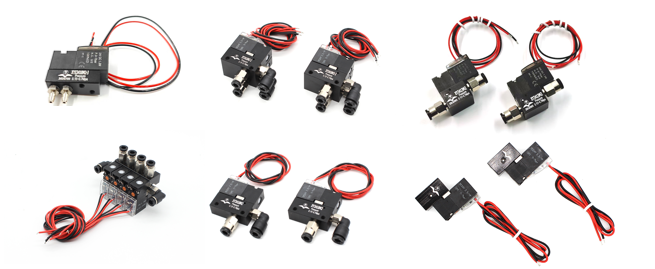
Solenoid valves are core components in industrial automation and pneumatic control systems. Selecting the right solenoid valve affects system efficiency, safety, and lifespan. This article explains how to choose a suitable solenoid valve based on application, pressure, flow rate, material, and response speed.
Application Scenarios
Automated production lines: control cylinder motion or fixture air supply
Testing equipment: precise control of air pressure and flow
Engineering machinery: high-pressure and high-frequency operation
Pressure and Flow Requirements
Working pressure: choose valves that can withstand maximum pressure for safety
Flow rate: select appropriate valve size to meet airflow and load requirements
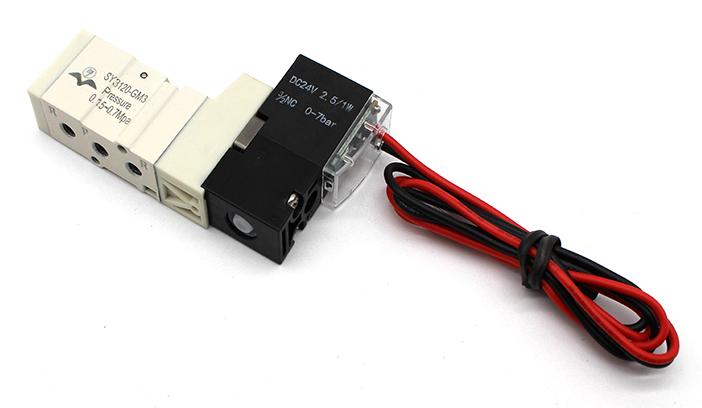
Example: Wire harness testing modules commonly use PN 0.15-0.7 MPa, diameter 1/8″-1/4″
Material Selection
Brass / Stainless steel: corrosion-resistant, suitable for common gases or slightly humid air
Plastic / Engineering plastics: lightweight, for low-pressure, non-corrosive media
Special materials: for high-temperature or chemical environments, choose valves with high-temp or chemical-resistant materials
Response Speed and Control
Response speed: affects cylinder motion frequency and system efficiency
Normally open / normally closed: choose according to system requirements
Voltage rating: match control system, e.g., DC24V, AC220V
Usage and Maintenance Tips
Regularly clean valves and air pipes to prevent dust and debris blockage
Inspect solenoid coil and wiring to ensure stable operation
Choose valves according to load and environment to extend lifespan
Choosing the right solenoid valve is key to efficient and stable system operation. Xiyong Hardware offers a wide range of solenoid valves and can provide customized solutions according to customer requirements.
Next:Optimized Test Modules Boost Quality in Electric Vehicle Manufacturing