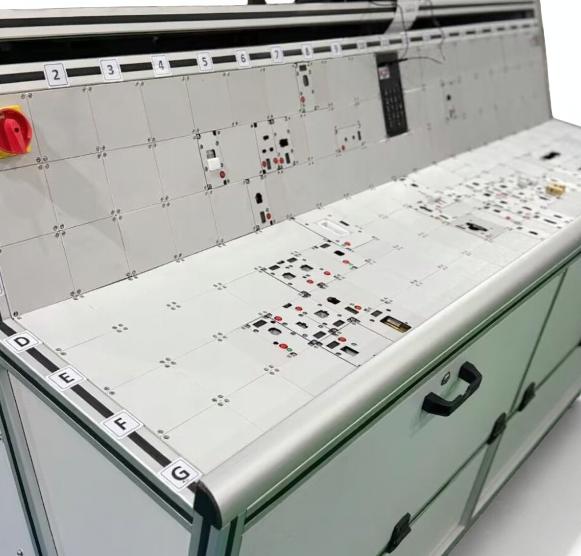
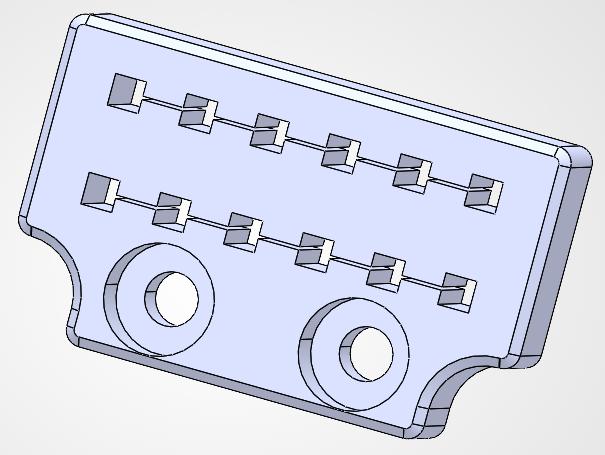
A complete wire harness continuity test (often completed by an automated testing bench) is not just an "on/off" check, but typically includes:
Connectivity testing: Confirm that the path being connected is conductive.
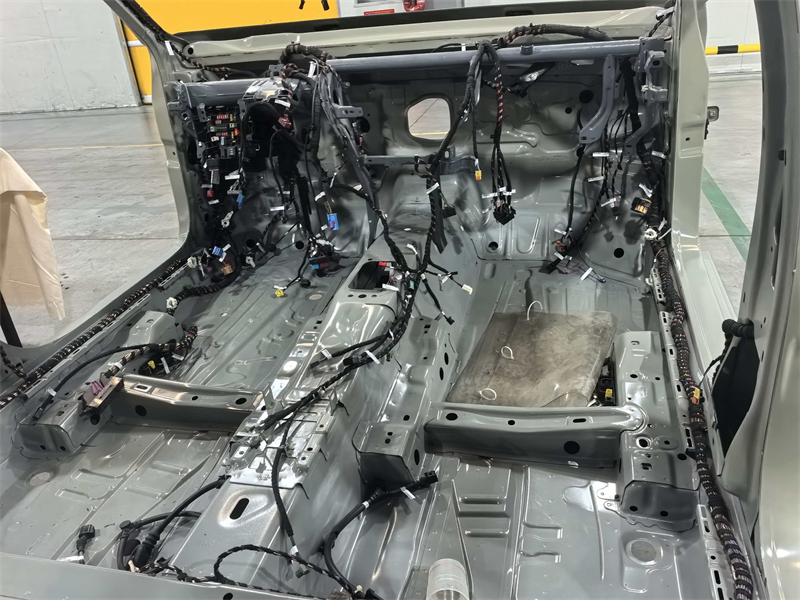
Short circuit test: Confirm that the paths that should not be connected are insulated.
Resistance test: Measure whether the circuit resistance is within the allowable range (check the crimping quality, wire specifications, etc.).
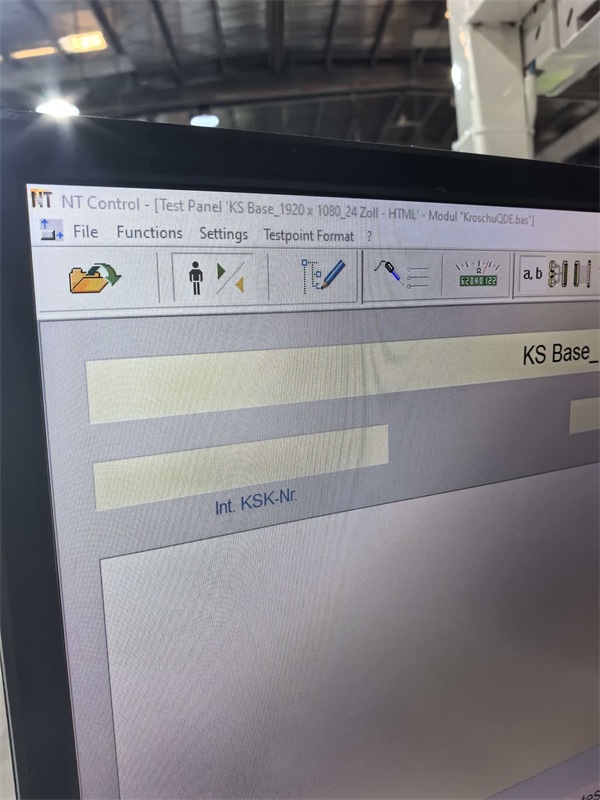
Insulation resistance test: Check whether the insulation resistance between wires or between wires and shielding/ground is high enough.
Voltage withstand test: Apply high voltage to verify insulation strength and prevent the risk of breakdown.
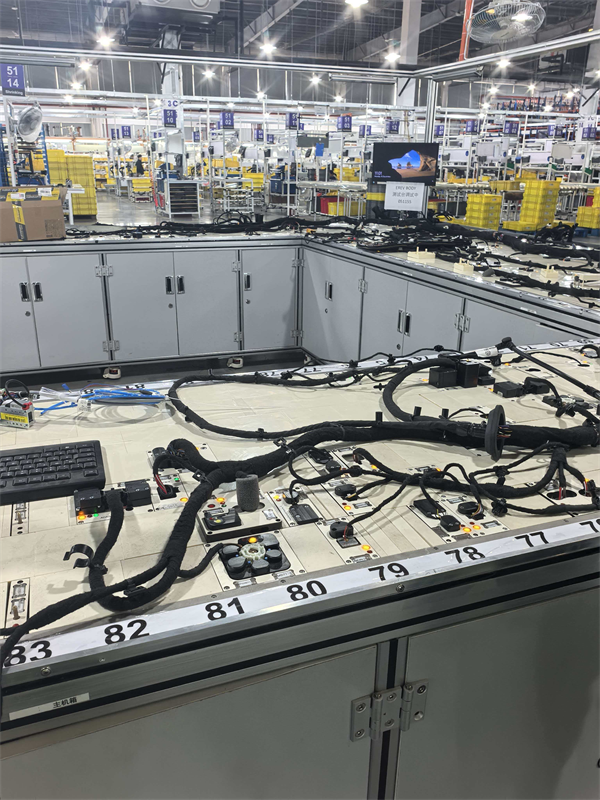
summary
Simply put, the core of conducting a wire harness continuity test is to "prevent problems before they occur". It is the most effective and economical method to intercept potential security risks, functional failures, and huge economic losses at the source. It ensures the complex network composed of hundreds or thousands of connection points such as connectors, wires, and terminals, which can accurately and reliably carry current and signals. It is the first and most important quality control for the normal operation of the entire electrical system.
Next:Cylinder: The cornerstone of power for ensuring stable operation of industrial equipment